
Yamaha XSR155: A Lot to Like, A Little More to Want





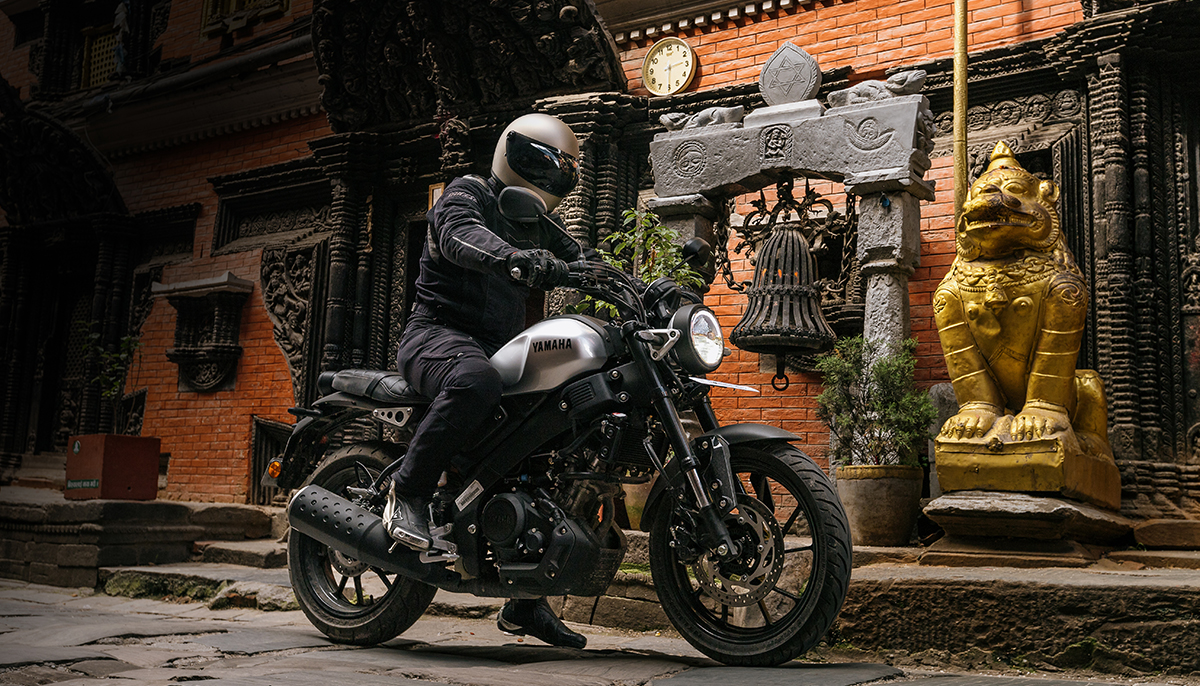
There are motorcycles that make sense on paper, motorcycles that impress with performance, and then there are motorcycles that make you want to ride them. The Yamaha XSR 155 is very much the latter.
It isn't the biggest motorcycle in its segment, nor is it the most powerful, but it has something increasingly difficult to find in today's market — a design that feels different.
The XSR 155 takes Yamaha's familiar 155cc platform and wraps it in a neo-retro package that is considerably more interesting than the typical competition.


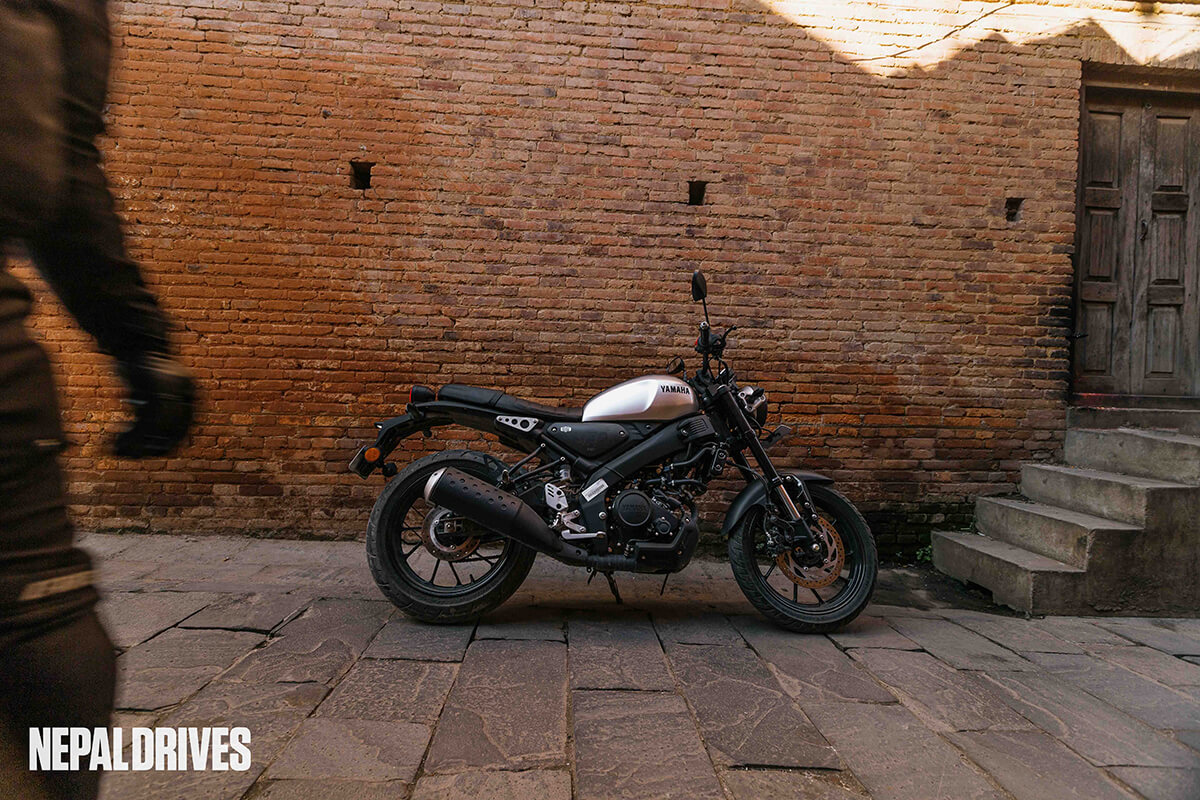
It has a round headlamp, a teardrop-shaped tank, an exposed frame and a clean rear section. Put together, they give the XSR a look that is quite different from most motorcycles around it. Pretty, isn't it?
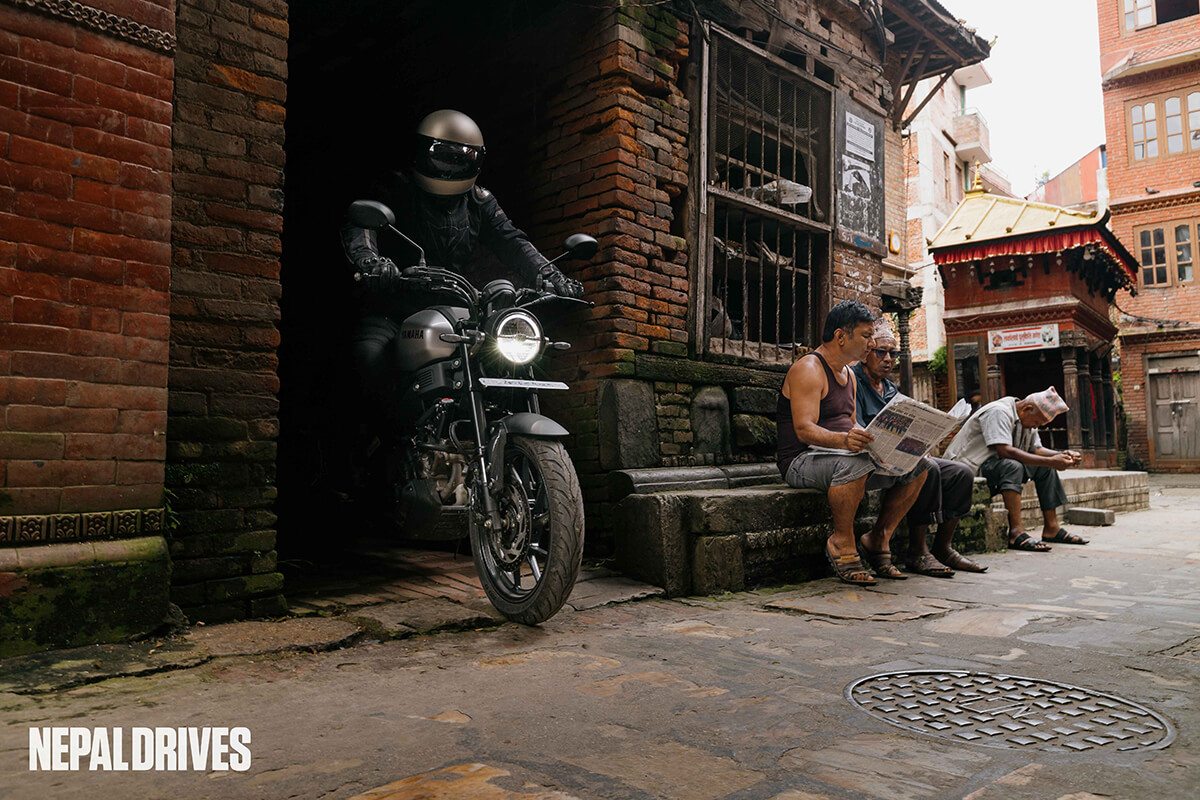
And that is perhaps the easiest way to understand the XSR 155. It puts considerable emphasis on its design rather than simply what the specification sheet says.
However, there is one question that is difficult to ignore: at Rs. 5.34 lakh to Rs. 5.64 lakh, is the XSR 155 priced competitively enough? Because while the XSR 155 has plenty to like, there is also a little more to want.
DESIGN
Design is easily the strongest part of the XSR 155. Yamaha has managed to create a motorcycle that looks good without simply borrowing design cues from other roadsters.
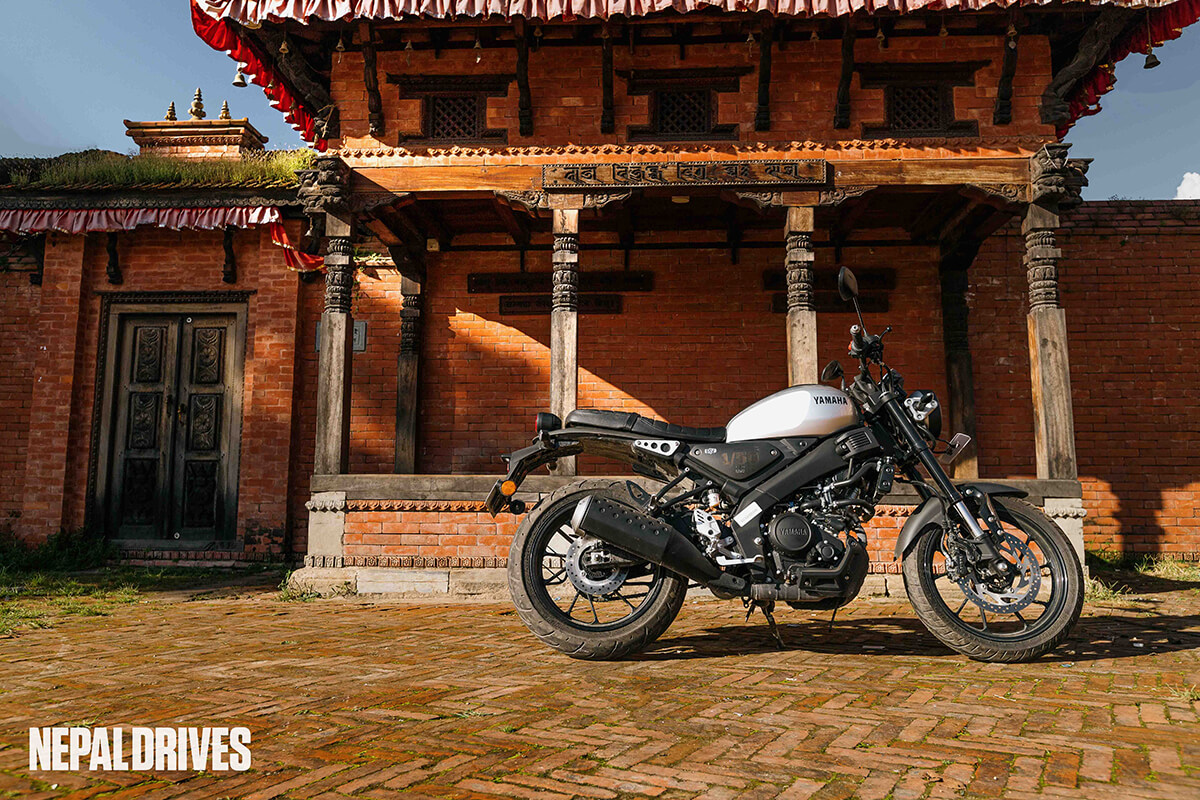
The round LED headlamp, teardrop-shaped fuel tank, exposed Deltabox frame, simple side panels and compact rear section give it a clean look. At the same time, the mechanical components underneath keep it from feeling like a motorcycle built around its appearance alone.
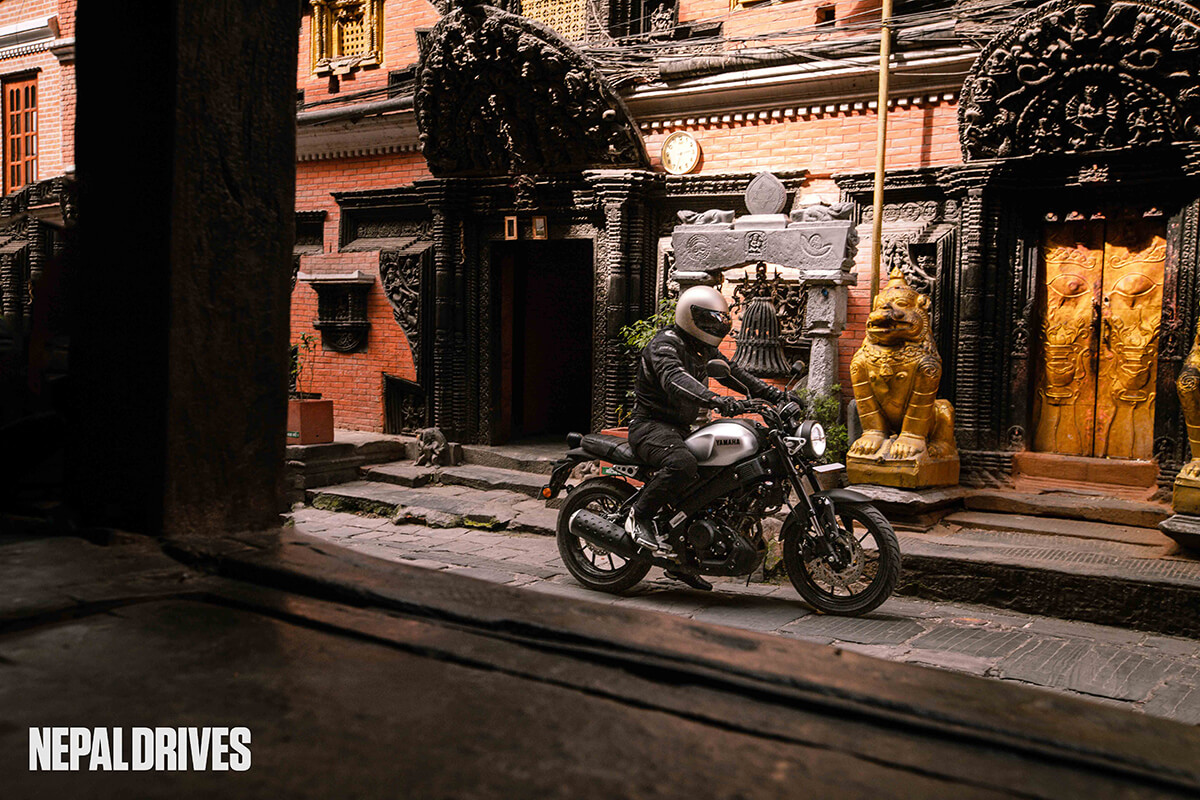
More importantly, Yamaha hasn't tried too hard. There are no excessive creases, fake vents or unnecessarily aggressive body panels. That restraint is becoming increasingly rare in a motorcycle market where aggressive styling has become almost mandatory.
The proportions are also well judged. Despite its 10-litre capacity, the tank looks substantial and gives the motorcycle enough visual presence, while the compact tail keeps the overall silhouette clean. Its design also isn't heavily dependent on any particular styling trend.
There are, however, a few details that could have been better thought out. The horn and indicator switch positions are inverted from what most riders are accustomed to. It isn't something that affects the motorcycle's fundamentals, but it does take some getting used to.
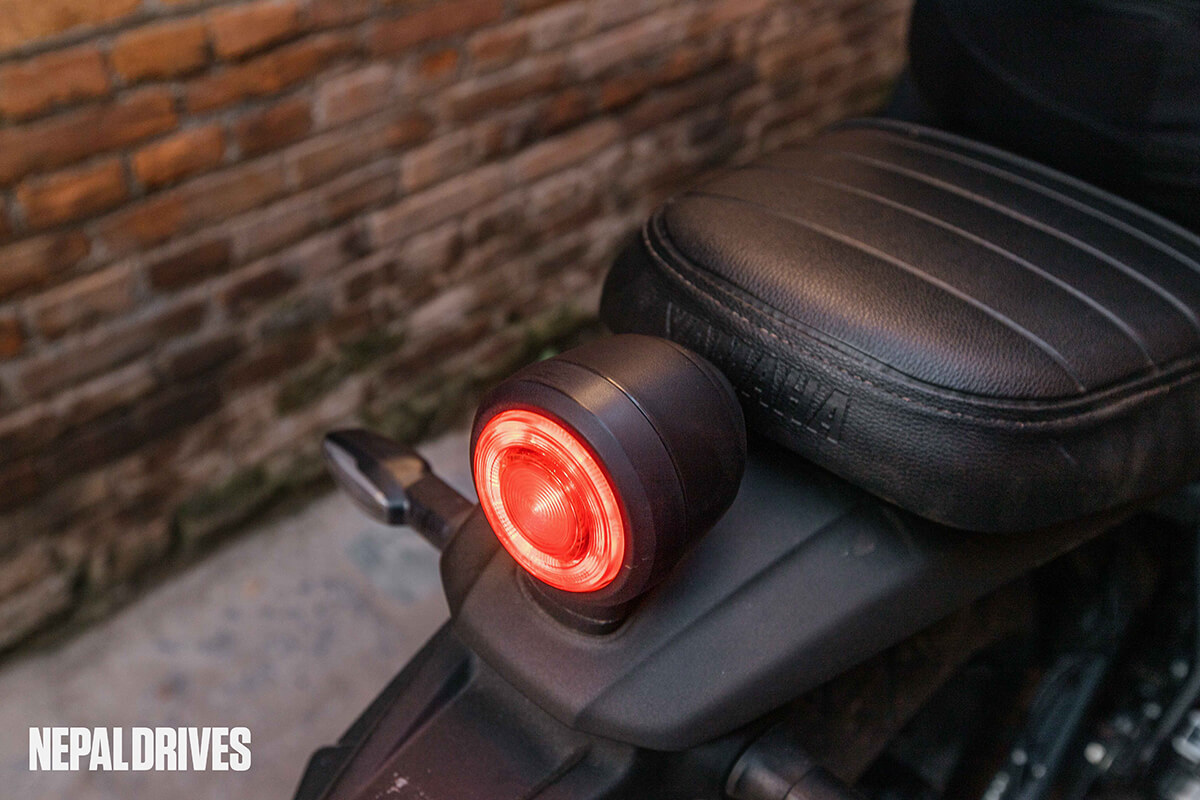
It feels like an unnecessary change to something that was already familiar and functional. Sometimes, form and function are better served by simply leaving familiar things alone.
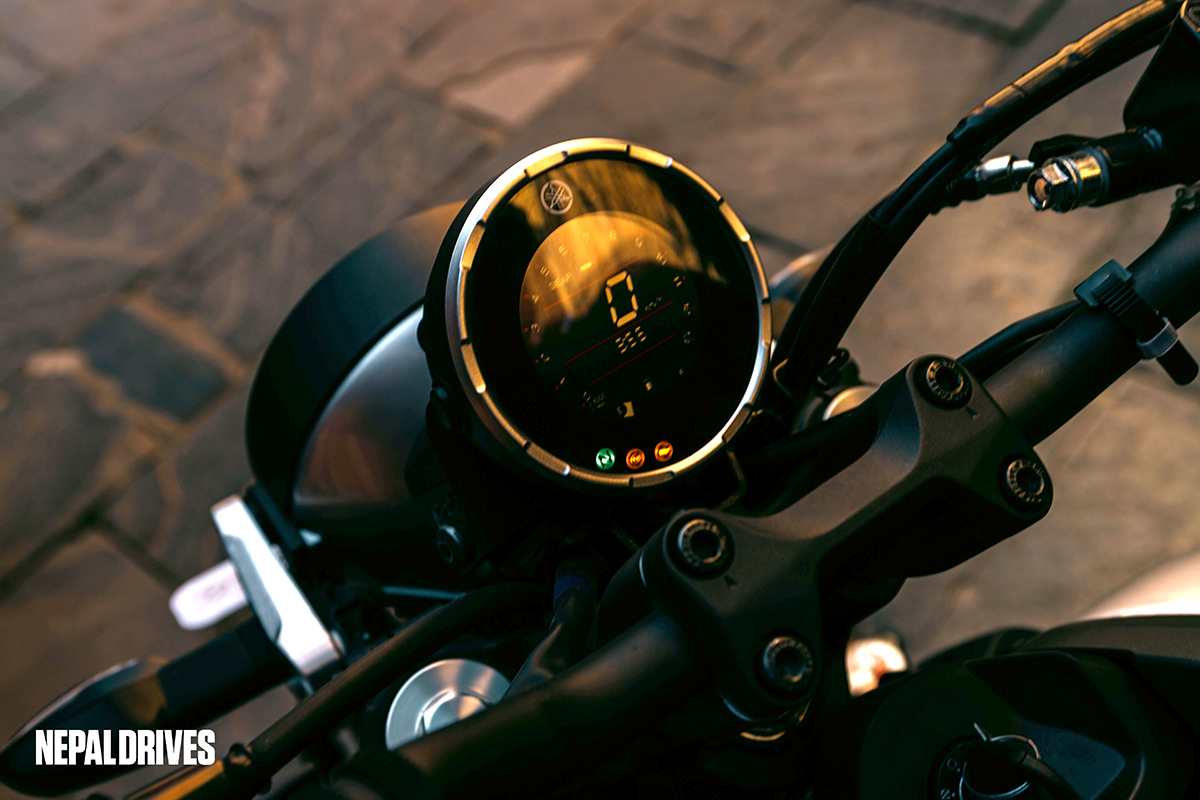
The circular LCD instrument cluster is another nice touch, although it could be brighter and easier to read in strong daylight. They aren't major issues, but they are things Yamaha could have got right.
The XSR 155 has a pretty face, but does it have enough substance underneath to make the ride just as interesting? Let's find out.
ENGINE & PERFORMANCE
The XSR 155 is powered by Yamaha's familiar 155cc liquid-cooled, four-valve SOHC engine with VVA, paired with a six-speed gearbox. It produces 18.4 PS at 10,000rpm and 14.2Nm at 7,500rpm, figures that look respectable for a motorcycle of this size.
The first thing that stands out is refinement. The engine is exceptionally smooth, with very little mechanical harshness to distract from the riding experience. Throttle response is predictable, while the gearbox feels polished.
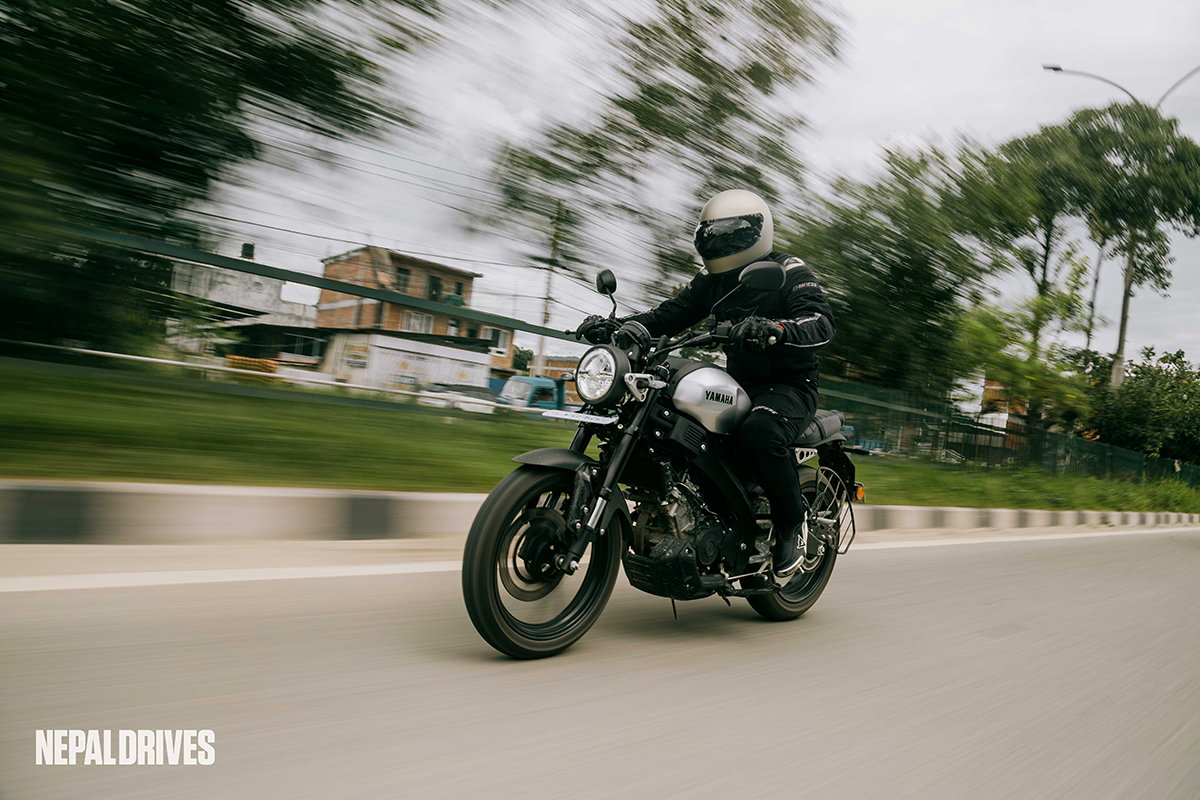
Around town, the XSR is effortless to ride, with enough low-end response to keep up with traffic without constantly demanding gear changes. The problem comes when more performance is required.
The engine becomes noticeably more willing as the revs climb, which is hardly surprising given that peak power arrives at 10,000rpm. But the mid-range doesn't have the punch that its styling, price and power output might lead you to expect.
It isn't a slow motorcycle, and there is enough performance for normal city riding and relaxed highway use. But compared with motorcycles that sit in a similar price bracket, the XSR can feel slightly short of enthusiasm when the throttle is opened aggressively.
That becomes particularly noticeable because the motorcycle itself encourages you to rev it hard. The chassis is capable, the riding position has a hint of sportiness and the design gives it an attitude that suggests there should be a little more urgency from the engine.
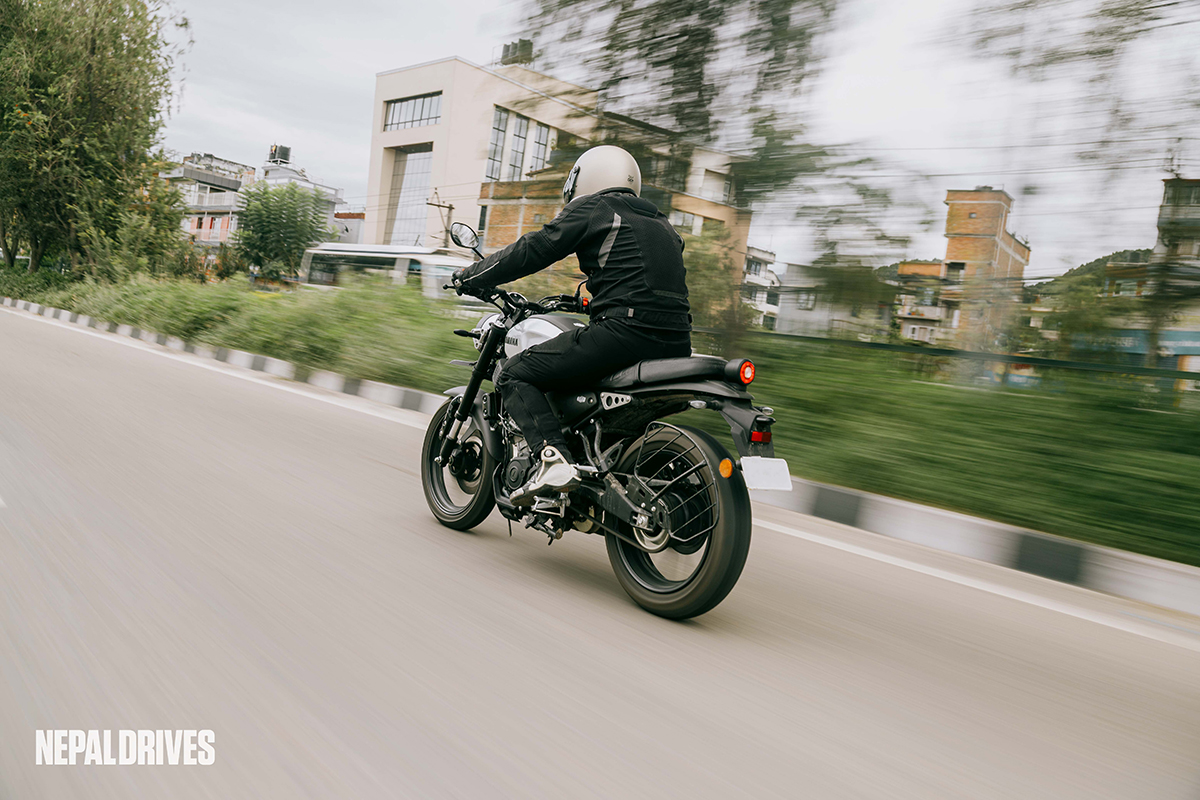
Instead, the XSR prefers to build its speed gradually. There is more to extract once the revs climb, and the top end is more satisfying than the initial response might suggest. But for everyday riding, particularly when overtaking or climbing, the lack of a stronger mid-range is difficult to overlook.
On our roads, where steep gradients and frequent two-up riding are part of everyday life, that limitation becomes even more relevant. The engine is therefore one of the XSR's most refined components, but not necessarily its most exciting. 18.4 PS sounds good on paper, but numbers don't tell the whole story. In many ways, it is more cool than fast.
FEATURES & EQUIPMENT
The XSR 155 doesn't have a particularly long list of electronic features, and the equipment is fairly straightforward. It gets full-LED lighting and a circular digital instrument cluster that keeps the information relatively clean and easy to access.
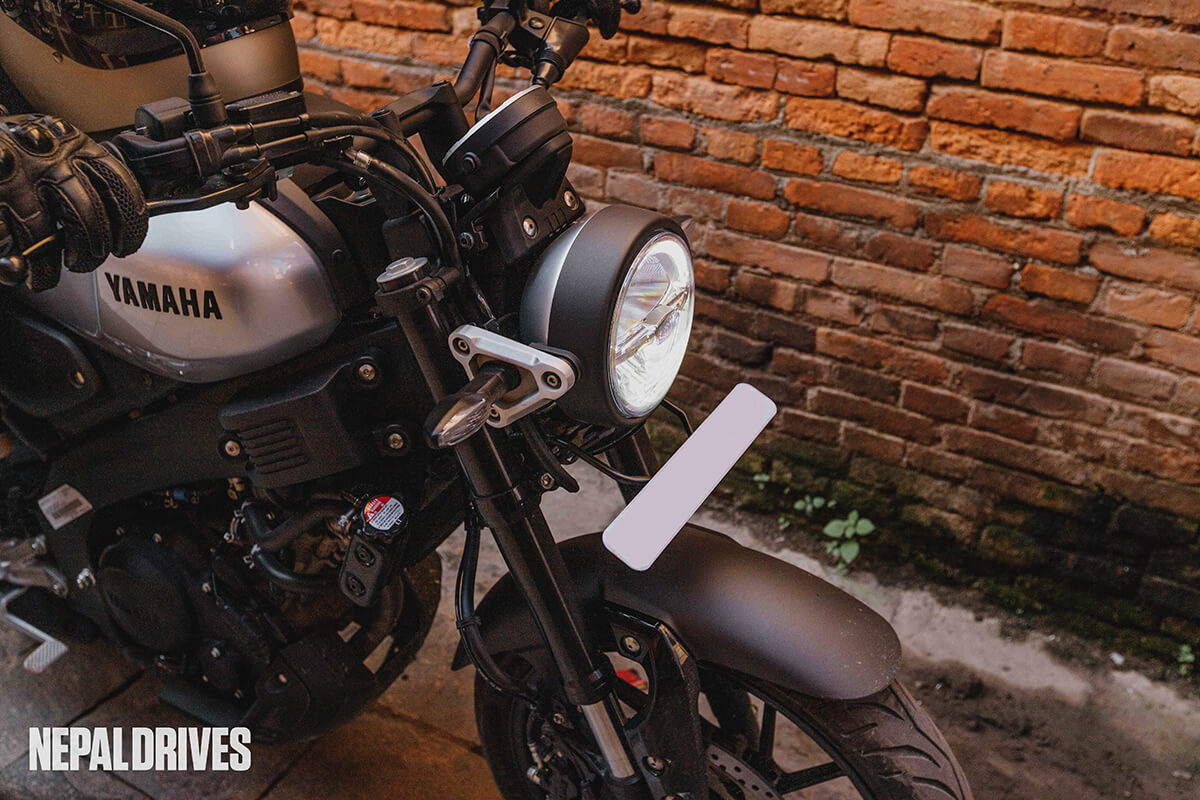
The display provides the essentials, including speed, engine rpm, fuel level, trip information, clock and mileage data. There is also Bluetooth connectivity, adding smartphone-related functionality to the otherwise simple instrument setup.
On the safety side, the XSR 155 gets dual-channel ABS along with a switchable traction control system. Traction control may not be something every rider will constantly need on a 155cc motorcycle, but it adds another layer of safety assistance, particularly when the road surface isn't ideal.

The hardware underneath tells a more interesting story. The motorcycle gets an upside-down front fork, an aluminium swingarm and a Deltabox chassis, giving the XSR a more substantial mechanical package than its retro appearance might suggest.
RIDE & HANDLING
The XSR 155 is an easy motorcycle to be on the road. At 137kg, it doesn't feel heavy when changing direction, filtering through traffic or making quick adjustments in tighter spaces. The steering is light, giving it an easy feel that makes every day riding less tiring.
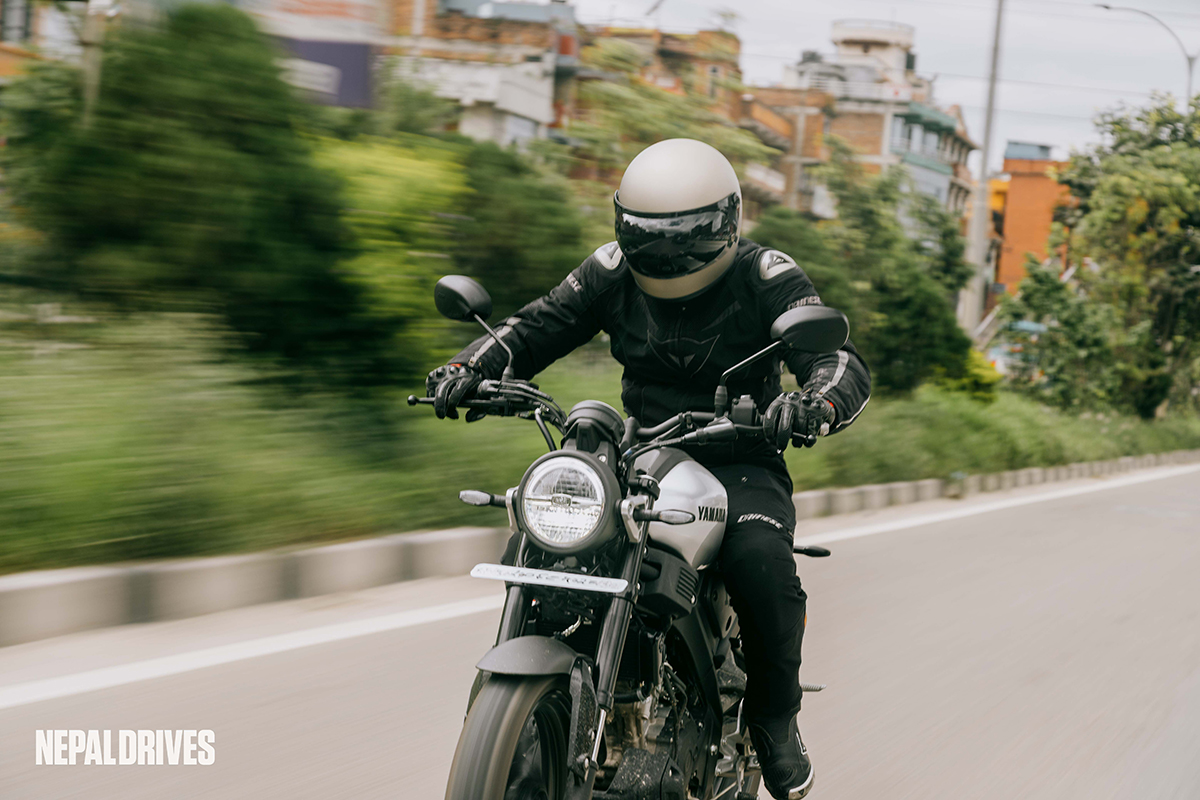
The riding position is comfortable, with enough of a forward bias to give the motorcycle some sportiness without turning it into an uncomfortable street bike. Taller riders, however, may find the handlebar and seating arrangement a little compact. The rider triangle works, but the XSR does have a smaller footprint than its visual presence might suggest.
The XSR is more enjoyable once the road starts to twist. It changes direction easily and remains composed through corners, allowing the rider to enjoy the road without having to work particularly hard. It isn't a motorcycle that demands aggressive riding to be enjoyable. In fact, it works better when the pace is kept smooth and relaxed.
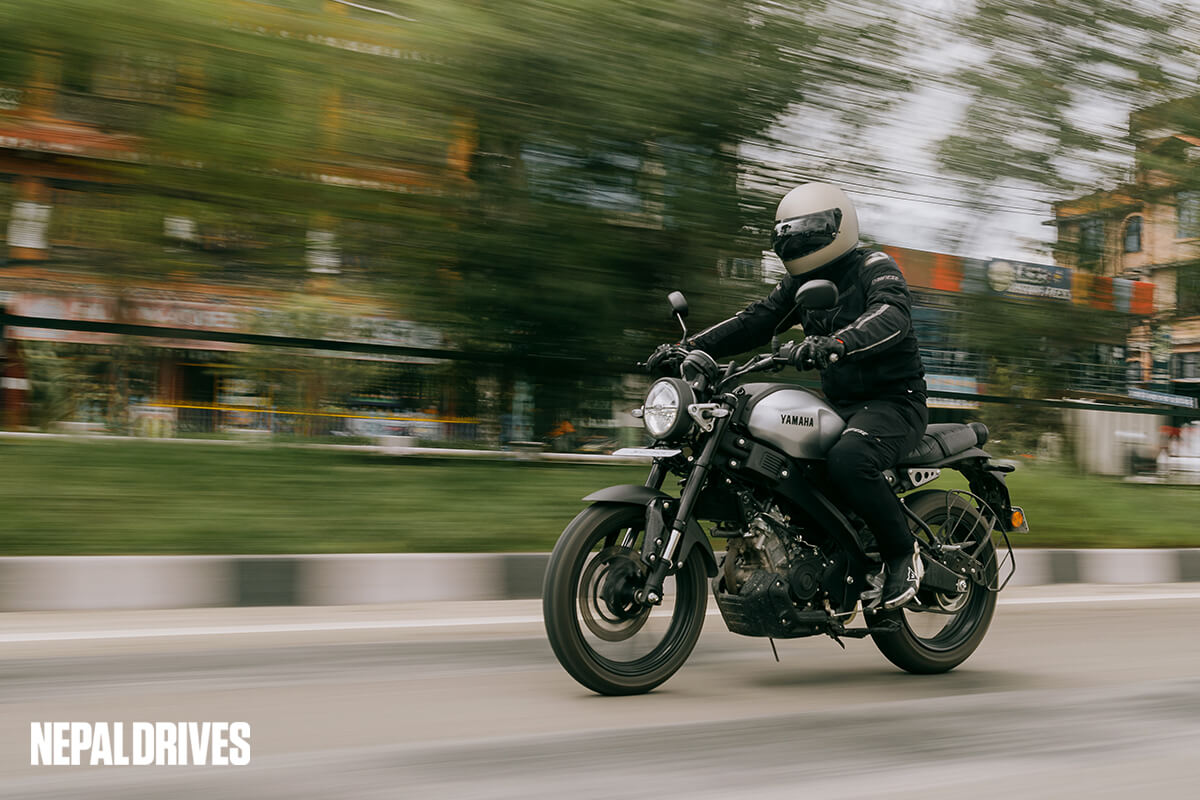
The suspension works reasonably well with that kind of riding. The upside-down front fork and link-type rear suspension provide good control on smoother roads, although broken surfaces can make the ride feel a little busier than expected. The 170mm ground clearance is useful for our roads, while the 810mm seat height keeps the motorcycle reasonably accessible.
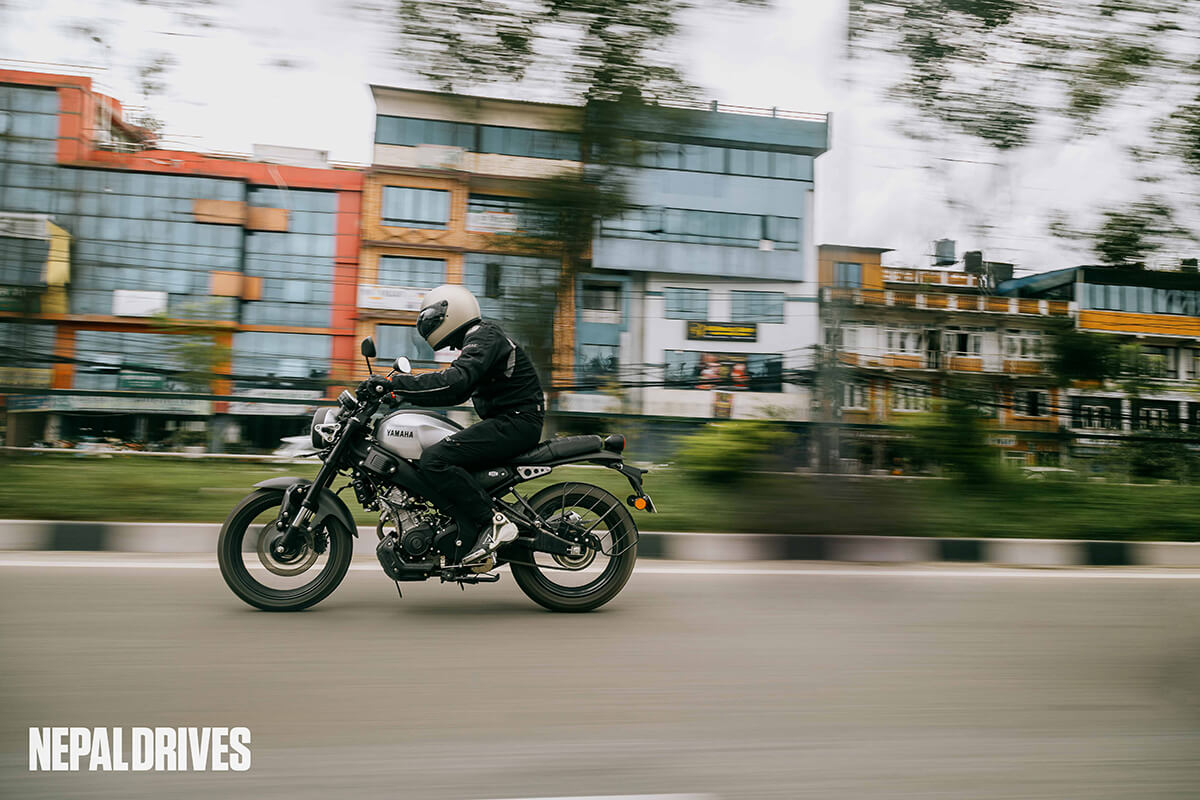
The braking hardware includes a 282mm front disc and a 220mm rear disc. Braking performance is adequate, although the front brake could offer a little more initial bite and feedback, particularly when riding harder.
RIDING EXPERIENCE
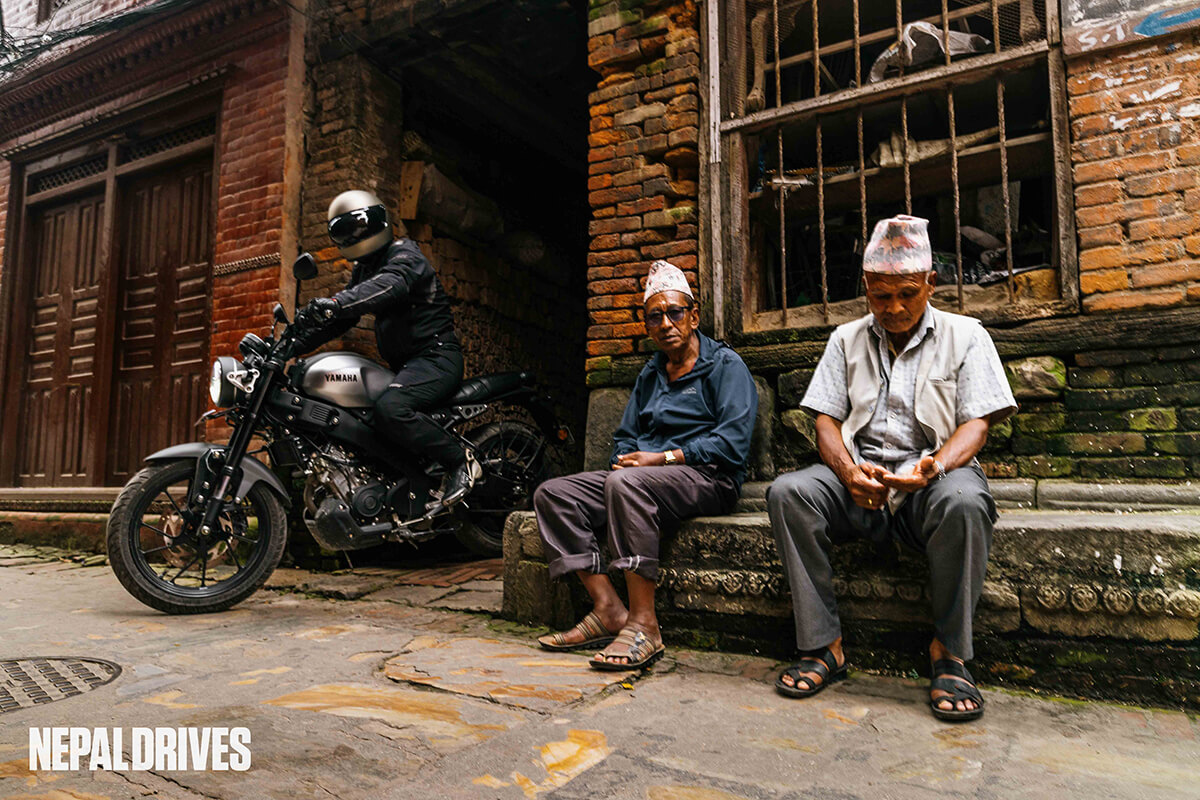
This is where the XSR 155 starts to make more sense. The XSR is at its best when you stop trying to make it go faster. It isn't the kind of motorcycle that constantly asks to be pushed harder or ridden faster. It feels more at home on a relaxed weekend ride than on a mission to set a personal best.
Put on a helmet, head towards the outskirts, stop somewhere with a view and enjoy the ride back. There is no need to chase racing lines or ride with your knees scraping the tarmac.
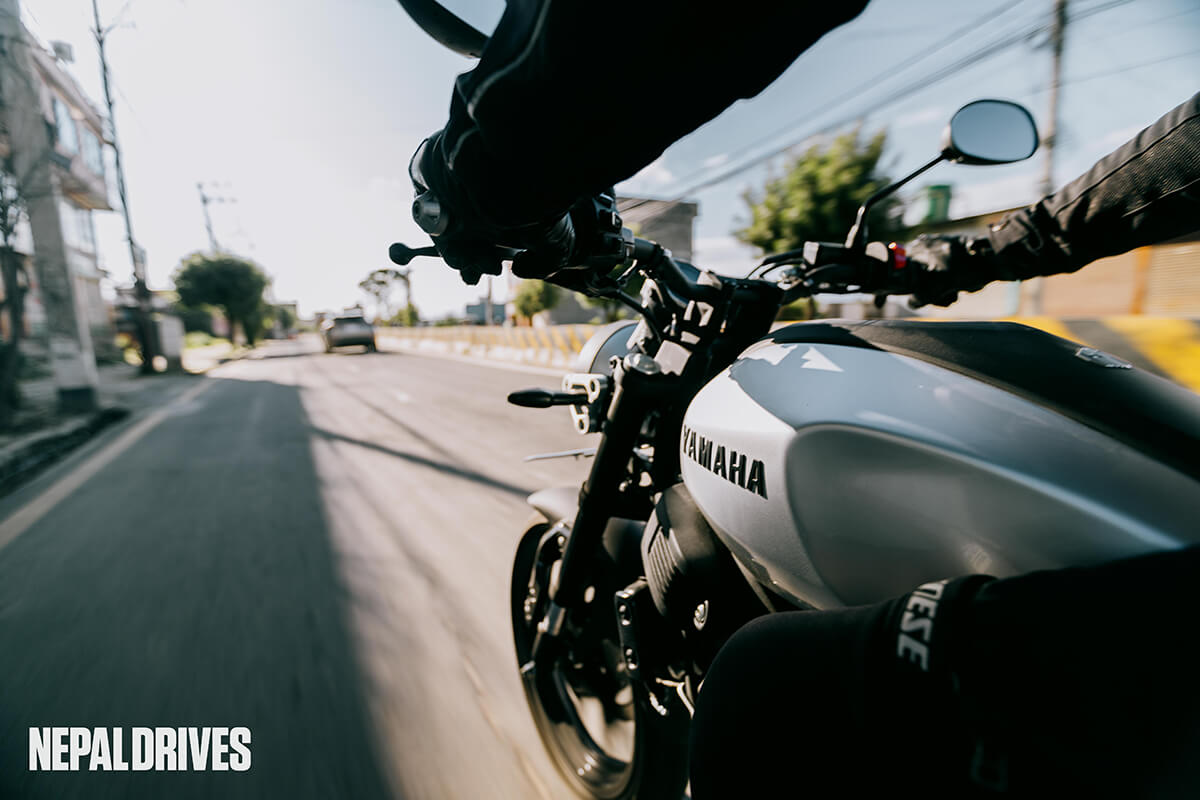
That doesn't mean the XSR is incapable of being ridden hard. The chassis is good enough to encourage some enthusiastic riding, and the engine will happily work towards its upper rev range. But the motorcycle feels more natural when it is being ridden smoothly rather than constantly pushed for more.
THE PRICING
At Rs. 5,34,900 for the Blue, Rs. 5,44,900 for the Red, Rs. 5,49,900 for the Grey and Rs. 5,64,900 for the Black, the XSR sits in territory where buyers have access to motorcycles with considerably larger engines.
The TVS Ronin 220 starts at Rs. 4.39 lakh, while the Royal Enfield Hunter 350 ranges from Rs. 4.87 lakh to Rs. 5.11 lakh. That changes the conversation. If the XSR were simply another affordable 155cc motorcycle, its performance characteristics would be easier to accept. But when a buyer is spending more than Rs. 5 lakh, the expectation naturally shifts.
More displacement doesn't automatically make a motorcycle better, but it does bring more torque and flexibility — qualities that are particularly useful on our roads.
So, the XSR isn't really making a case for itself on value for money. What it does offer is a different combination of design, refinement and riding character from the more conventional motorcycles at its segment.
That distinction will matter to some buyers more than a bigger engine, but for an enthusiast looking at the XSR as a motorcycle rather than simply a lifestyle purchase, the 155cc engine can leave a little room for wanting more.
VERDICT
The Yamaha XSR 155 is an unusual motorcycle for this price range. It isn't trying to win on engine size or outright performance, and that's fairly obvious once you spend some time riding it.
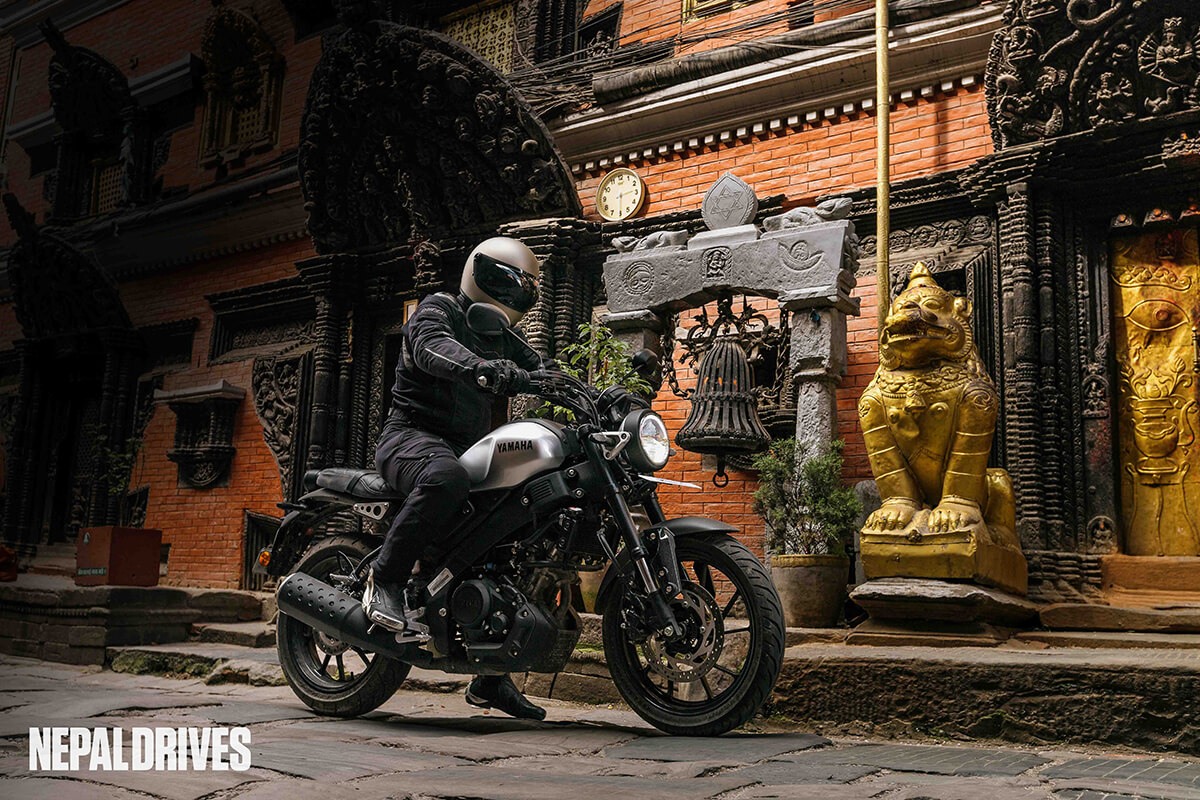
It looks different without going overboard, the engine is smooth, and the chassis is easy to enjoy. The design is undoubtedly its strongest point, but the lightweight chassis, smooth engine and hardware underneath give it enough substance to back that up.
It is also refreshing to see a motorcycle that doesn't rely on aggressive styling to create presence. In a sea of motorcycles chasing the same sharp, sporty aesthetic, the XSR takes a different approach.
But the price makes the engine's limitations harder to ignore. At more than Rs. 5 lakh, the XSR is competing against motorcycles with more displacement and more torque. That makes its 155cc engine harder to overlook, particularly for riders who regularly deal with steep roads or carry a pillion.
On flat roads and in the city, that compromise is easier to live with. However, on steep gradients with a pillion or during an enthusiastic overtake, the desire for a little more displacement becomes difficult to suppress.
Perhaps that is the XSR 155 in a sentence: a lot to like, a little more to want. For some riders, the design and the way it rides will be enough to justify the compromises. For others, especially those who want stronger performance, the 155cc engine may leave them wanting more.






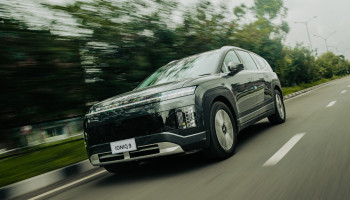
Hyundai Ioniq 9: A Living Room on Wheels
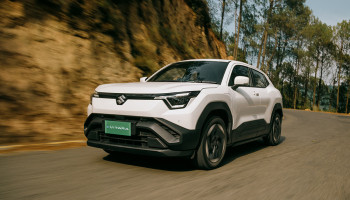
Suzuki eVitara: Suzuki's Electric Debut
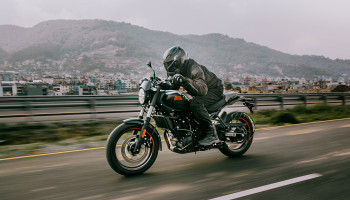
Royal Enfield Guerrilla 450: Beyond The Classics